
What are Dental Implants?
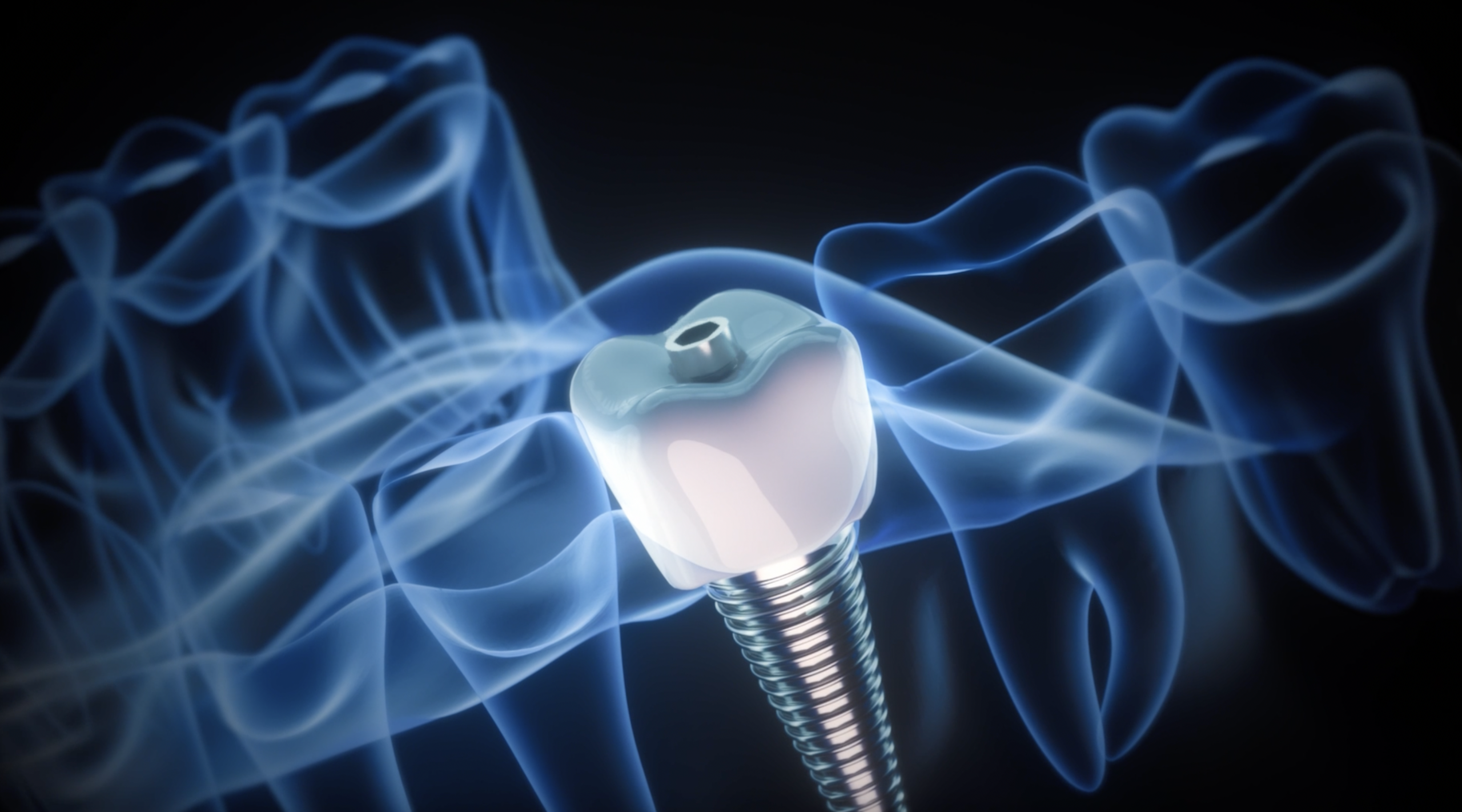
A dental implant is a medical device surgically inserted into the jawbone to replace a missing tooth root. Unlike dentures or bridges that sit on the gums or rely on adjacent teeth, implants are permanently anchored to the bone, providing a stable foundation for artificial teeth.
Types of Dental Implants
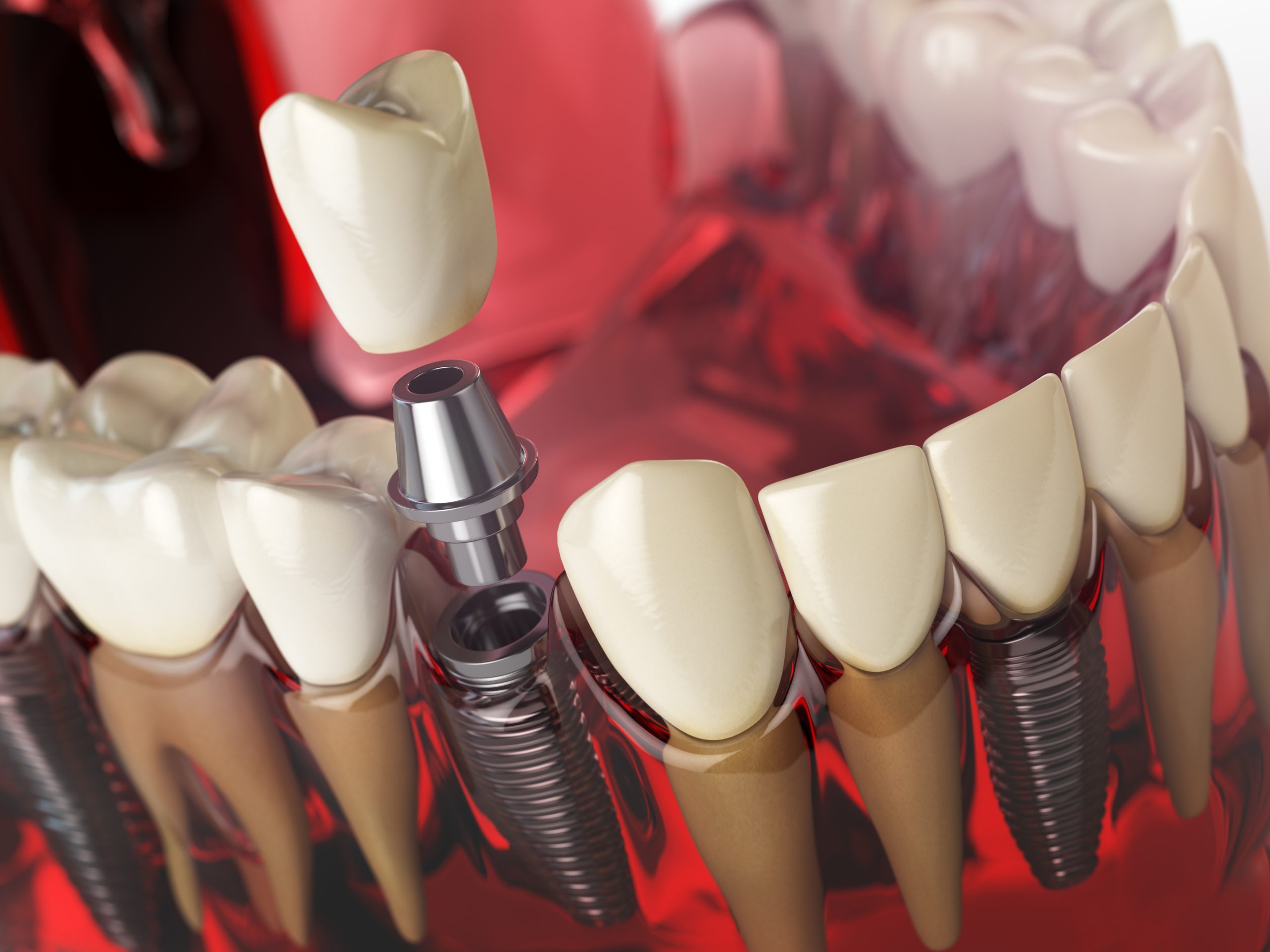
- Endosteal (in the bone): This is the most common type of implant. Its various forms include screws, cylinders or blades surgically placed into the jawbone. Each implant holds one or more prosthetic teeth. This type of implant is generally an alternative for patients who are now wearing bridges or removable dentures.
- Subperiosteal (on the bone): This type of implant is placed on top of the jaw with metal framework’s posts that protrude through the gum to hold the implant in place. Subperiosteal implants are generally used for patients who are unable to wear conventional dentures and don’t have adequate bone height to hold an endosteal implant.
Are You a Candidate for Dental Implants?
You’re an ideal candidate for a dental implant if:
- You’re in good general and oral health.
- You have adequate bone in your jaw to support the implant.
- You have healthy gum tissues that are free of periodontal disease.
Dental implants are intimately connected with the soft tissues (i.e., gums) and underlying hard tissues (i.e., bone) in the mouth. Since periodontists have had three years of specialized training beyond dental school to make them experts on both soft and hard tissues, they have the ideal combination of experience and knowledge to make sure you get a dental implant solution that looks and feels like your own teeth.
Types of Dental Implant Procedures
Depending on your specific condition and the type of implant chosen, your periodontist will create a treatment plan tailored to meet your needs.
Here are some of the possible treatment plans depending on your situation:
- Single Tooth Dental Implants – If you are missing a single tooth, one implant and a crown can replace it.
- Multiple Tooth Dental Implants – If you are missing several teeth, implant-supported bridges can replace them.
- Full Mouth Dental Implants – If you are missing all of your teeth, an implant-supported full bridge or full denture can replace them.
- Sinus Augmentation – A key to implant success is the quantity and quality of the bone where the implant is to be placed. The upper back jaw has traditionally been one of the most difficult areas to successfully place dental implants due to insufficient bone quantity and quality and the close proximity to the sinus. Sinus augmentation can help correct this problem by raising the sinus floor and developing bone for the placement of dental implants.
- Ridge Modification – Deformities in the upper or lower jaw can leave you with and inadequate amount of bone in which to place dental implants. To correct the problem, the gum is lifted away from the ridge to expose the void where bone is missing. The void is then filled with bone or bone substitute to build up the ridge. Ridge modification has been shown to greatly improve the jaw’s appearance and increase the chances of successful implants.
Single Tooth Dental Implant Video Illustration
Full Mouth (upper jaw) Dental Implants Video Illustration
Dental Implant Procedure Follow-Up
Just like natural teeth, dental implants require conscientious at-home oral care and regular dental visits to preserve function and prevent peri-implant disease. In order to keep your implant clean and plaque-free, brushing and flossing are still necessary.
After you’ve received your implant, your periodontist will work closely with you and your general dentist to develop the best care plan for you. Periodic follow-up visits will be scheduled to monitor your implant, teeth and gums to make sure they are healthy.
What Can I Expect After Receiving A Dental Implant?
As you know, your own teeth require conscientious at-home oral care and regular dental visits. Dental implants are like your own teeth and will require the same care. In order to keep your implant clean and plaque-free, brushing and flossing still apply!
After treatment, your periodontist will work closely with you and your dentist to develop the best care plan for you. Periodic follow-up visits will be scheduled to monitor your implant, teeth and gums to make sure they are healthy.